

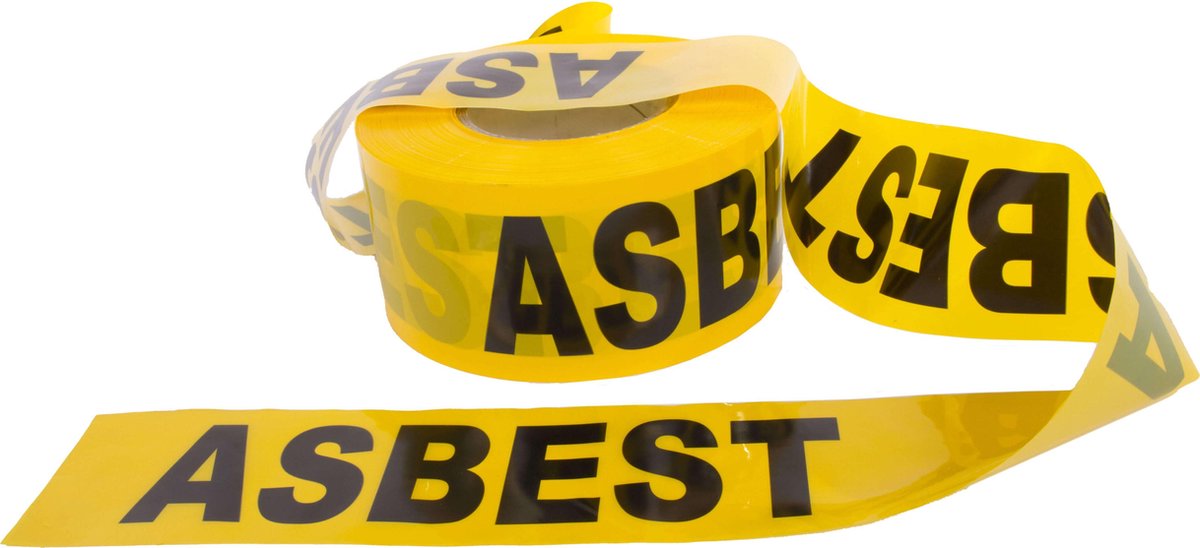
Asbestlint is a term commonly used to describe asbestos-containing tape or fibrous binding material that was historically applied to pipes, ducts, insulation joints, and industrial equipment. In the past, it was valued for its heat resistance, durability, and fireproofing capabilities. However, as scientific research advanced, serious health concerns associated with asbestos exposure became widely recognized.
Today, Asbestlint is no longer used in modern construction due to strict regulations and bans in many countries. Yet, it may still be present in older buildings, factories, and residential properties constructed before asbestos restrictions were implemented. Understanding what it is, where it may be found, and how to handle it safely is crucial for property owners, contractors, and homeowners alike.
This comprehensive guide explores the background, health implications, legal considerations, and proper removal methods related to Asbestlint, offering updated and practical information.
What Is Asbestlint?
Definition of Asbestlint
Asbestlint refers to a tape-like or fibrous insulation material that contains asbestos fibers. It was typically wrapped around pipes, boilers, and heating systems to provide insulation and fire resistance. The material often resembled thick cloth tape or binding fabric and could be found in both residential and industrial environments.
Composition of Asbestlint
The primary component of Asbestlint is asbestos fiber, usually mixed with binding agents to form a flexible and durable product. There are several types of asbestos, but the most commonly used in such materials were:
-
Chrysotile (white asbestos)
-
Amosite (brown asbestos)
-
Crocidolite (blue asbestos)
These fibers were prized for their strength and resistance to heat and chemical damage.
Historical Uses of Asbestlint
Asbestlint was widely used during the mid-20th century, especially between the 1940s and 1980s. Its applications included:
-
Wrapping heating and plumbing pipes
-
Sealing duct joints
-
Reinforcing insulation materials
-
Industrial machinery insulation
At the time, the health hazards of asbestos exposure were not fully acknowledged, which led to widespread use across many sectors.
Why Was Asbestlint Popular in Construction?
Heat and Fire Resistance
One of the main reasons for the widespread use of Asbestlint was its exceptional resistance to heat. It could withstand extremely high temperatures without burning, making it ideal for insulating boilers and steam pipes.
Durability and Longevity
The material was long-lasting and resistant to wear, chemicals, and moisture. This durability made it a cost-effective solution for large-scale industrial and residential projects.
Soundproofing and Insulation Properties
Beyond heat resistance, Asbestlint provided effective soundproofing and thermal insulation, reducing energy loss and noise levels in buildings.
Health Risks Associated with Asbestlint
How Exposure Occurs
Asbestlint becomes hazardous when disturbed. When the material deteriorates or is damaged during renovation or demolition, tiny asbestos fibers can be released into the air. These microscopic fibers are easily inhaled.
Diseases Linked to Asbestos Exposure
Exposure to asbestos fibers can lead to serious health conditions, including:
-
Asbestosis: A chronic lung disease caused by inhaling asbestos fibers.
-
Mesothelioma: A rare but aggressive cancer affecting the lining of the lungs or abdomen.
-
Lung Cancer: Increased risk among those exposed, especially smokers.
-
Pleural Thickening: Thickening of the lung lining, leading to breathing difficulties.
Symptoms may not appear for decades, making asbestos-related diseases particularly dangerous.
Why Intact Asbestlint Is Still a Concern
Even if Asbestlint appears intact, aging materials can become brittle over time. Small disturbances, vibrations, or environmental factors may release fibers into the air without visible warning.
Identifying Asbestlint in Buildings
Visual Characteristics of Asbestlint
Asbestlint often appears as:
-
White, gray, or off-white tape
-
Fibrous or cloth-like texture
-
Wrapped tightly around pipes or joints
-
Sometimes coated with a protective layer of paint or sealant
However, visual inspection alone is not enough to confirm the presence of asbestos.
Professional Testing and Inspection
The only reliable way to confirm whether material contains asbestos is through laboratory testing. A certified asbestos inspector can:
-
Collect samples safely
-
Conduct risk assessments
-
Provide written reports
-
Recommend appropriate action
Attempting to test the material yourself can be dangerous and is not recommended.
Regulations Surrounding Asbestlint
Global Asbestos Regulations
Many countries have implemented strict laws regarding asbestos use. Some have banned it entirely, while others heavily regulate its handling and removal. Regulations typically include:
-
Licensing requirements for removal contractors
-
Mandatory protective equipment
-
Proper disposal procedures
-
Notification to authorities before removal work
Building Ownership Responsibilities
Property owners are often legally responsible for identifying and managing asbestos-containing materials in their buildings. This includes:
-
Conducting inspections
-
Maintaining records
-
Informing occupants
-
Ensuring safe removal when necessary
Failure to comply with regulations can result in fines and legal consequences.
Safe Handling and Removal of Asbestlint
Why Professional Removal Is Essential
Removing Asbestlint without proper training and equipment can release dangerous fibers into the environment. Licensed asbestos abatement professionals follow strict safety protocols to minimize exposure.
The Removal Process
A typical removal procedure includes:
-
Site Assessment: Inspection and containment planning.
-
Sealing the Area: Creating a controlled environment using plastic sheeting and negative air pressure.
-
Protective Gear: Workers wear respirators and specialized suits.
-
Careful Removal: Material is wetted to reduce airborne fibers.
-
Proper Disposal: Waste is sealed in approved containers and transported to authorized disposal facilities.
-
Air Monitoring: Testing ensures the area is safe before reoccupation.
Cost Considerations
The cost of removing Asbestlint depends on:
-
The size of the affected area
-
Accessibility
-
Condition of the material
-
Local labor rates
Although removal may seem expensive, the health and legal risks of ignoring asbestos are far greater.
What to Do If You Suspect Asbestlint in Your Home
Avoid Disturbing the Material
Do not cut, scrape, or attempt to remove suspected asbestos-containing tape. Disturbance increases health risks.
Contact Certified Professionals
Reach out to a licensed asbestos inspection service. They will evaluate the material and recommend whether removal, encapsulation, or monitoring is necessary.
Consider Encapsulation
In some cases, if the material is in good condition and unlikely to be disturbed, encapsulation may be recommended. This involves sealing the material to prevent fiber release.
Environmental Impact of Asbestlint
Disposal Challenges
Asbestos waste must be handled with extreme care to prevent environmental contamination. Improper disposal can lead to:
-
Soil contamination
-
Air pollution
-
Long-term health risks for nearby communities
Sustainable Management Practices
Modern waste management facilities are equipped to safely contain and isolate asbestos materials. Compliance with environmental guidelines ensures minimal ecological impact.
Renovation and Demolition Precautions
Pre-Renovation Surveys
Before renovating an older building, a thorough asbestos survey should be conducted. Many accidents occur during remodeling projects when hidden materials are unknowingly disturbed.
Contractor Awareness
Ensure that contractors are informed about the possible presence of asbestos-containing materials. Hiring certified professionals reduces liability and health risks.
Myths and Misconceptions About Asbestlint
Myth 1: Asbestos Is Only Dangerous in Factories
Fact: Residential homes built before the 1980s may contain asbestos materials, including tape insulation.
Myth 2: If It Looks Old, It Must Be Safe
Fact: Aging materials are more likely to deteriorate and release fibers.
Myth 3: DIY Removal Saves Money
Fact: Improper removal can lead to contamination, legal penalties, and serious health consequences.
Modern Alternatives to Asbestlint
Today, safer materials have replaced asbestos-based products. Modern insulation tapes are made from:
-
Fiberglass
-
Mineral wool
-
Ceramic fibers
-
Heat-resistant polymers
These materials offer similar performance without the associated health risks.
The Future of Asbestos Management
As awareness increases, governments and organizations continue to strengthen regulations. Public education campaigns aim to inform homeowners about the risks of asbestos-containing materials and encourage safe management practices.
Ongoing research also focuses on improving removal technologies and protective measures for workers.
Conclusion
Asbestlint represents a significant part of industrial and construction history, once valued for its heat resistance and durability. However, what was once considered a miracle material is now known to pose serious health risks when disturbed. The presence of asbestos-containing tape in older buildings should never be ignored.
Proper identification, professional assessment, and safe removal are essential to protecting both human health and the environment. While intact material may not pose an immediate danger, any renovation or damage can transform it into a serious hazard. By staying informed and complying with regulations, property owners can responsibly manage potential risks associated with Asbestlint.
Understanding the dangers and taking proactive steps ensures safer living and working environments for everyone.
Frequently Asked Questions (FAQs)
1. What exactly is Asbestlint used for?
Asbestlint was primarily used as insulation tape for pipes, boilers, and ducts due to its heat-resistant and fireproof properties.
2. How can I tell if material in my home contains asbestos?
Visual inspection is not reliable. The only way to confirm asbestos content is through laboratory testing conducted by a certified professional.
3. Is Asbestlint dangerous if it is not damaged?
Undisturbed material in good condition poses lower risk. However, aging or accidental disturbance can release harmful fibers.
4. Can I remove asbestos-containing tape myself?
No. Removal should only be performed by licensed professionals who follow strict safety and legal guidelines.
5. How much does professional asbestos removal cost?
Costs vary depending on the size, condition, and location of the material. A professional inspection is required for an accurate estimate.
