

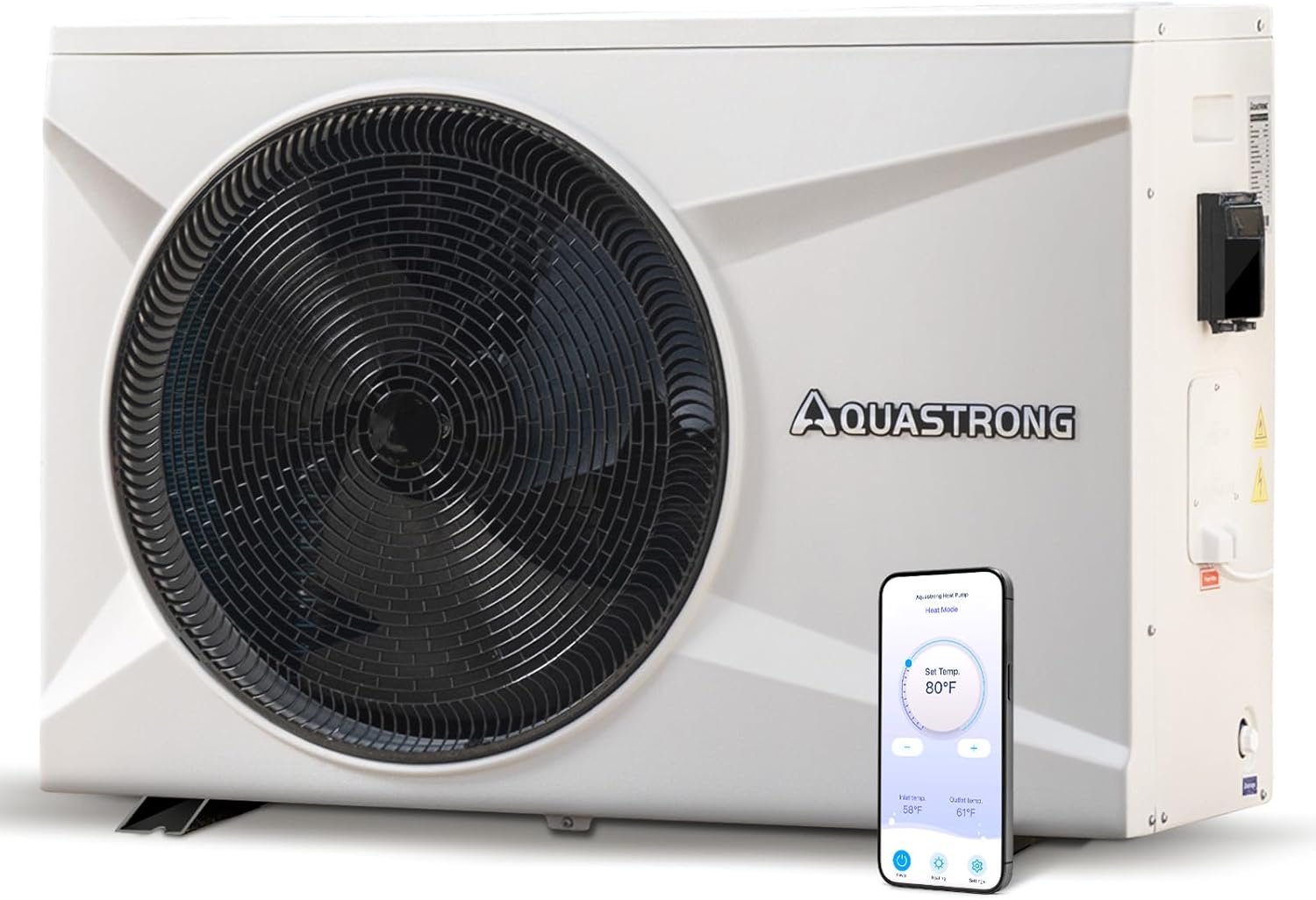
When upgrading a home’s water system, the technical choice between Aquastrong boost mode vs standard settings is often the deciding factor in user satisfaction. Modern water pumps are no longer simple “on-off” machines; they are sophisticated, software-driven devices designed to balance comfort with mechanical longevity.
In this deep dive, we will analyze the functional differences of Aquastrong boost mode vs standard operation. We will explore how these settings dictate the behavior of the Variable Frequency Drive (VFD), the impact on your monthly utility bills, and which mode is truly “best” for specific architectural layouts.
The Engineering Behind Aquastrong Boost Mode vs Standard
At the heart of any Aquastrong smart pump lies a permanent magnet motor. The way this motor interacts with your home’s plumbing changes drastically depending on your selection of Aquastrong boost mode vs standard.
Standard Mode: The Intelligent Constant
In standard mode, the pump operates via a feedback loop. A built-in pressure sensor monitors the system 1,000 times per second. If you open a kitchen tap, the sensor detects a minor drop and tells the motor to spin at a low RPM. If you then open a shower, the motor ramps up. The goal here is “Constant Pressure Control.”
Boost Mode: The Manual Overdrive
When we compare Aquastrong boost mode vs standard, boost mode (often labeled as “Forced Start” or “Manual Mode” in the Smart 45 and 60 series) removes the “intelligence” of the VFD. It commands the motor to run at its maximum rated frequency. This ignores the target pressure setting in favor of providing every ounce of lift the pump is physically capable of producing.
Performance Benchmarks: Aquastrong Boost Mode vs Standard
Choosing between these modes isn’t just about a button press; it’s about the physics of water movement.
| Performance Metric | Standard Mode Operation | Boost Mode Operation |
| Response Time | Gradual (Soft Start) | Instantaneous |
| Max Pressure Output | Regulated (e.g., 3.0 Bar) | Unregulated (Up to Max Pump Curve) |
| Flow Stability | Extremely High | Variable |
| Vibration Level | Minimal | Moderate to High |
Pressure Stability and Flow
In the Aquastrong boost mode vs standard debate, standard mode offers a much “smoother” experience. Because it adjusts in real-time, you won’t feel that annoying “surge” of hot or cold water in the shower when someone else flushes a toilet. Boost mode, conversely, can create a “spiky” pressure environment because the pump isn’t slowing down to accommodate smaller demands.
Efficiency and Operational Costs
One of the primary reasons homeowners choose Aquastrong is the promise of lower electricity bills. When evaluating Aquastrong boost mode vs standard, the energy profile changes significantly.
-
Standard Mode Consumption: By utilizing a “Soft Start” protocol, the pump avoids the massive inrush current that usually spikes electricity usage. It only consumes the wattage necessary for the current flow rate.
-
Boost Mode Consumption: Because the pump is essentially “pinned” at maximum RPM, it operates at its peak wattage (often 750W to 1.1kW depending on the model) regardless of whether you are filling a glass of water or a swimming pool.
From a sustainability standpoint, standard mode is the clear winner. Constant use of boost mode can increase the pump-related portion of your energy bill by as much as 40-50%.
Noise Pollution and Domestic Comfort
The acoustic footprint of Aquastrong boost mode vs standard is a major consideration for indoor installations. Aquastrong pumps are famous for their quiet operation, often staying below 45dB—about the sound of a quiet library.
However, this “whisper-quiet” rating only applies to standard mode at moderate loads. In boost mode, the motor reaches speeds up to 5,200 RPM. This creates high-frequency noise and can cause resonance in thin-walled pipes. If your pump is located in a kitchen cabinet or a utility closet near a bedroom, boost mode may be disruptive at night.
Strategic Use Cases: When to Toggle
Understanding the ideal application for Aquastrong boost mode vs standard will prevent unnecessary wear on your system.
1. High-Rise and Multi-Story Homes
If your house has three or more levels, the “static head” (the weight of the water in the pipes) can be difficult to overcome. While standard mode usually suffices, boost mode is an excellent temporary solution if you find the top-floor attic shower is underperforming during peak morning hours.
2. Garden Irrigation and Agricultural Use
For long-distance pumping—such as reaching a garden 100 feet away—boost mode is superior. It provides the “raw push” needed to overcome the friction loss of long hoses.
3. System Priming
After a power outage or a water mains repair, air can get trapped in the pump. Switching to boost mode for 60 seconds is the most effective way to “burp” the system and restore a prime before returning to standard mode.
Maintenance and Component Longevity
If we look at the internal wear and tear of Aquastrong boost mode vs standard, standard mode is far more “forgiving.”
-
Seal Protection: Boost mode creates higher internal heat, which can cause the mechanical seals to degrade faster.
-
Bearing Wear: Lower RPMs in standard mode mean less friction and a longer lifespan for the ball bearings.
-
Pipe Integrity: Constant high pressure from boost mode can weaken old solder joints in copper pipes or cause “creep” in PEX tubing.
Conclusion
In the final assessment of Aquastrong boost mode vs standard, the verdict is one of balance. Standard mode is the sophisticated choice for 99% of modern households. It offers the best blend of silence, energy savings, and consistent pressure. It treats your plumbing with “respect” by avoiding sudden pressure shocks.
Boost mode, however, remains a vital tool in the Aquastrong arsenal. It is the “reserve power” you need for challenging installations, priming issues, or heavy-duty outdoor tasks. By using boost mode sparingly and relying on standard mode for daily life, you ensure your water system remains both powerful and durable for years to come.
5 Relevant FAQs
1. Is it safe to leave my pump in boost mode 24/7?
While the pump is designed to handle high loads, leaving it in boost mode permanently is not recommended. It leads to higher energy costs, more noise, and may shorten the lifespan of the motor and internal seals due to increased heat.
2. Does Aquastrong boost mode vs standard affect the warranty?
Using the built-in features of the pump does not void the warranty. However, if the pump fails due to overheating caused by running at max capacity in a poorly ventilated area (which is more likely in boost mode), it may complicate a claim.
3. Why does my water pressure fluctuate in standard mode?
If you see fluctuations in standard mode, the “Pressure Set Point” might be too close to the incoming city water pressure. Try increasing the set pressure by 0.2 bar to give the VFD a clearer “target” to maintain.
4. Can I use boost mode with a solar power system?
It is better to use standard mode with solar setups. Boost mode has a high power draw that might trip your inverter or drain your battery bank quickly. Standard mode’s “soft start” is much friendlier to solar inverters.
5. How do I know which mode is currently active?
Check the LED interface on your Aquastrong unit. In standard mode, the display usually shows a steady pressure reading (like 3.0). In boost/forced mode, the display often flashes or shows a specific code (like ‘H’ or ‘P’ depending on the model year) to indicate maximum output is engaged.
