

Sailing is an exhilarating experience, but the unpredictability of the ocean demands a rigorous approach to safety. One of the most critical components of onboard safety equipment is the jackline system. When it comes to reliability and innovation, Wichard is a name that stands at the forefront. Following proper Wichard jackline instructions is not just about equipment longevity; it is about ensuring that you and your crew remain securely attached to the vessel in the most demanding conditions. This comprehensive guide will walk you through the installation, maintenance, and usage of the Wichard Lyf’Safe system, ensuring you have the knowledge to navigate safely.
Understanding the Importance of Wichard Jackline Instructions
A jackline is a strap or wire run from the bow to the stern of a boat, allowing a sailor to clip their safety tether in and move freely across the deck. Unlike generic lines, Wichard’s Lyf’Safe system is engineered with specific features like photoluminescent casings and reflective webbing. However, these features are only effective if the Wichard jackline instructions are followed precisely during setup.
The primary goal of a jackline is to keep you on the boat. If a wave hits or a sudden gust causes a lurch, the jackline acts as your lifeline. Improper installation—such as choosing weak mounting points or leaving too much slack—can lead to a “towing” situation where a sailor falls overboard but remains attached, a scenario that can be as dangerous as being completely detached. By adhering to the official Wichard jackline instructions, you ensure the system is tensioned correctly and positioned to provide maximum protection.
Pre-Installation Checklist and Planning
Before you begin the physical installation, you must assess your vessel’s layout. According to Wichard jackline instructions, the lines should be placed as close to the centerline of the boat as possible. This positioning minimizes the chance of a sailor falling over the lifelines and into the water.
-
Attachment Points: Identify high-load deck fittings. Ideal points include robust padeyes, cleats, or the base of the pulpit and pushpit.
-
Path Clearance: Ensure the path of the jackline is clear of obstructions like cleats, blocks, or hatches that could cause the tether to snag.
-
Line Length: Wichard kits come in various lengths (8.5m, 11m, 14m, and 16m). Measure your attachment points carefully and choose a kit that is slightly longer than the distance between your fore and aft points.
Step-by-Step Wichard Jackline Instructions for Installation
Installing the Lyf’Safe kit is a straightforward process, but it requires attention to detail. Follow these Wichard jackline instructions to secure your safety system:
1. Securing the Fixed Loop (Forward)
Start at the bow. The Wichard jackline features a pre-sewn loop at one end. This end is typically “cow-hitched” to your forward attachment point. Pass the loop through the padeye or around the cleat, then thread the rest of the webbing through the loop and pull it tight. This creates a secure, metal-on-metal-free connection that reduces chafe.
2. Running the Webbing Aft
Lead the webbing toward the stern. As per Wichard jackline instructions, ensure the webbing lies flat and is not twisted—unless you are in high-wind areas where a single twist can prevent the webbing from “humming” or vibrating. However, for general use, a flat profile is preferred to prevent it from rolling underfoot.
3. Setting Up the Adjuster (Aft)
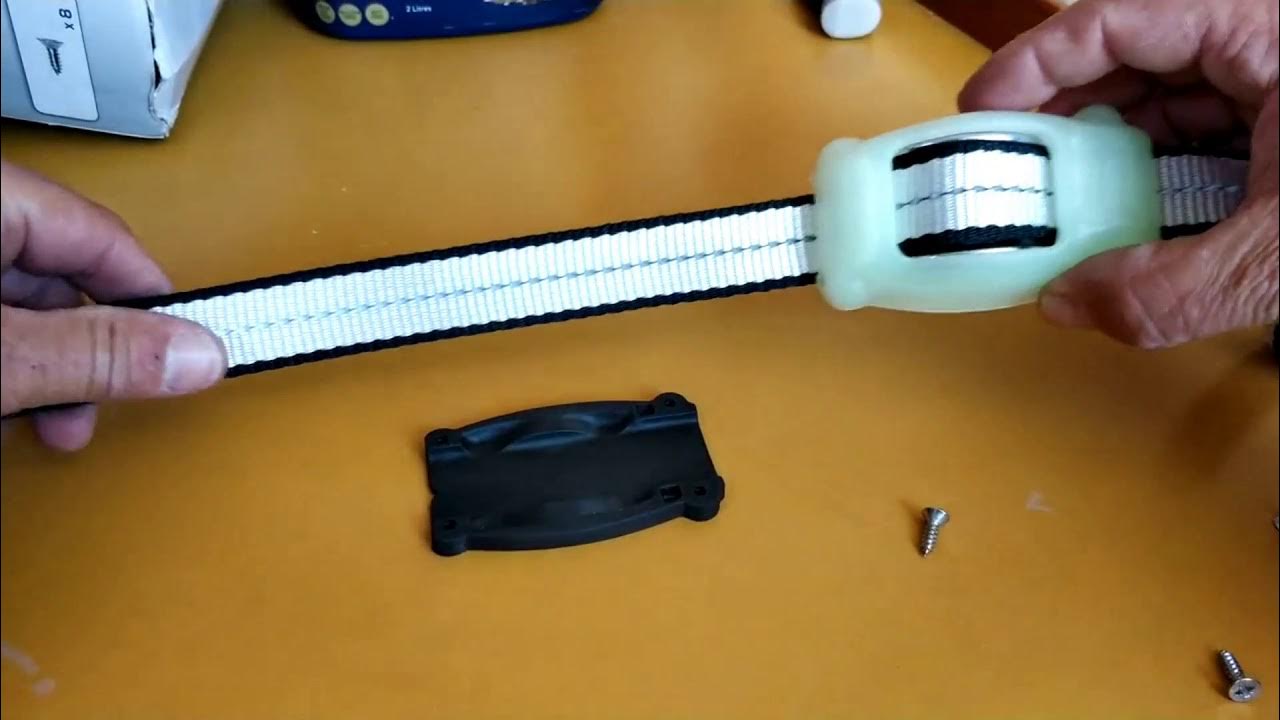
The stern end uses a forged stainless steel adjuster. Thread the free end of the webbing through the adjuster according to the diagram provided in the kit. The Wichard jackline instructions emphasize that the adjuster should be positioned approximately 10cm to 20cm away from the aft attachment point to allow for proper tensioning.
4. Tensioning and Finalizing
Once the webbing is threaded, pull it taut. It should be tight enough that it doesn’t flop around, but not so tight that it puts excessive lateral strain on your deck fittings. Once the desired tension is reached, lock the webbing into the adjuster’s notches.
5. Installing the Protective Casings
The Lyf’Safe kit includes photoluminescent casings that protect the adjustment mechanism and provide visibility at night. Snap the two halves of the casing over the adjuster and secure them with the provided screws. These casings are a vital part of the Wichard jackline instructions, as they prevent accidental release of the webbing while also acting as a glow-in-the-dark marker for night shifts.
Optimal Positioning and User Safety
Following the Wichard jackline instructions also involves understanding how to use the system effectively. The jackline should ideally end before the bow pulpit. This prevents a sailor from being pitched forward over the bow if the boat “stuffs” into a wave.
Furthermore, always use a safety tether with high-quality hooks, such as the Wichard Proline. When moving along the deck, ensure you are always clipped in before leaving the cockpit. If you need to switch from one jackline to another (e.g., when moving from the port side to the starboard side), use a double-hook tether so that you are never unclipped from the boat.
Maintenance and Inspection Requirements
Even the highest quality marine hardware is subject to wear and tear from UV rays and salt. To maintain compliance with Wichard jackline instructions, a thorough inspection should be conducted every six months.
-
UV Damage: Check the webbing for fading or “furriness.” Polyester webbing eventually breaks down in the sun. If the webbing feels brittle or looks significantly bleached, it is time for a replacement.
-
Stitch Inspection: Examine the sewing at the fixed loop and near the adjuster. Any loose or frayed threads are a sign of structural compromise.
-
Hardware Corrosion: While Wichard uses 316L stainless steel, it is still wise to check for any signs of pitting or cracks in the adjuster and the deck padeyes.
-
Rinsing: After every passage, rinse the entire system with fresh water to remove salt crystals, which can act as abrasives on the webbing fibers.
Why Choose Wichard Over Traditional Wire Jacklines?
Many older vessels use plastic-coated stainless steel wire for jacklines. However, modern Wichard jackline instructions and safety standards generally favor webbing. Why?
-
Anti-Roll Design: A round wire can roll under a boot, causing a slip. The flat webbing of the Wichard system stays put when stepped on.
-
Visibility: The reflective thread woven into Wichard webbing and the photoluminescent casings make them much easier to find with a headlamp at 3:00 AM.
-
Shock Absorption: Webbing has a slight amount of “give” compared to wire, which can reduce the peak impact force on both the sailor and the boat’s hardware in the event of a fall.
Strong Conclusion
The safety of your crew is the most important factor in any offshore adventure. By meticulously following the Wichard jackline instructions, you are implementing a world-class safety system designed to withstand the harsshness of the marine environment. From the reflective webbing that guides you in the dark to the robust forged adjusters that hold firm under pressure, every element of the Wichard Lyf’Safe system is built with a “safety first” mentality. Do not cut corners during installation; take the time to choose the right mounting points and maintain the tension as required. With a properly installed Wichard jackline, you can focus on the horizon, knowing you are securely tied to your vessel.
Frequently Asked Questions (FAQs)
1. How often should I replace my Wichard jacklines?
According to the general Wichard jackline instructions and marine safety best practices, webbing should be replaced every 2 to 5 years depending on UV exposure and usage frequency. If you notice any fraying, stiffness, or significant color fading, replace them immediately.
2. Can I install Wichard jacklines on my cleats?
Yes, the Wichard Lyf’Safe system is designed to be universal. You can cow-hitch the loop end to a cleat and secure the adjuster end to another cleat, provided the cleats are through-bolted and capable of handling high loads.
3. Why does the Wichard jackline have a reflective strip?
The reflective strip is designed for night safety. When a sailor uses a headlamp, the strip reflects light, making the jackline clearly visible. This allows for faster clipping and helps prevent tripping in low-light conditions.
4. Should the jackline be very tight or have some slack?
The Wichard jackline instructions recommend that the line should be taut to prevent it from moving underfoot, but not under extreme tension. A small amount of deflection is normal and helps absorb some of the energy if a sailor falls.
5. Do I need special tools to follow the Wichard jackline instructions?
The only tools required are a sharp knife (to trim excess webbing) and a screwdriver to secure the photoluminescent casings. The kit is designed to be “ready-to-use” without the need for additional shackles or complex rigging tools.
