

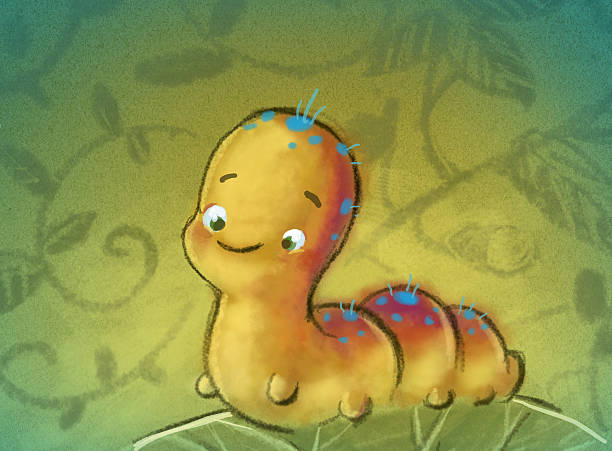
The Munchkin Caterpillar is a name that sparks instant curiosity among nature lovers and garden enthusiasts alike. While the term is often used affectionately to describe the smaller, more adorable larval stages of various butterfly species, the Munchkin Caterpillar has become a symbol of the hidden beauty found in the microscopic layers of our ecosystem. These tiny creatures, often no larger than a grain of rice in their early days, represent a critical phase of biological development. To understand the , one must look beyond its diminutive size and appreciate the complex survival strategies, dietary needs, and the incredible transformation it undergoes. In this guide, we dive deep into everything that makes the a true marvel of the insect world.
Defining the Munchkin Caterpillar
When we speak of the , we are generally referring to the early “instar” stages of Lepidoptera. In the world of entomology, an instar is the developmental stage between each molt. Because these caterpillars are in the infancy of their lives, they possess a “munchkin-like” appearance—short, plump, and often surprisingly colorful.
The Psychology of the Name
The term “Munchkin” carries a connotation of something miniature yet sturdy. Just as the famous fictional characters or the short-legged cat breed, the is defined by its compact proportions. This stage of a caterpillar’s life is its most vulnerable, making the “munchkin” aesthetic not just a matter of cuteness, but a phase of intense growth and high-stakes survival.
Anatomy and Features of a Munchkin Caterpillar
The physical makeup of a is a masterpiece of biological engineering. Despite their small stature, they possess all the necessary tools to navigate a world that is vastly larger than they are.
Miniature Proportions and Segmentation
The body of a is divided into thirteen distinct segments, not including the head. At this stage, the body is highly flexible, allowing the to curl into a tight ball when threatened. Their size usually ranges from 2mm to 10mm during the initial phases, making them easy to miss if you aren’t looking closely at the veins of a leaf.
Sensory Organs and Movement
A Munchkin Caterpillar doesn’t see the world like we do. They have simple eyes called stemmata, which can only distinguish between light and dark. To navigate, the relies on its antennae and sensory hairs (setae) to feel vibrations and chemical signals from the host plant.
The Secret Life and Habitat of the Munchkin Caterpillar
Finding a requires a bit of detective work. They don’t live in the open; they prefer the secluded “micro-climates” found within garden foliage and wild meadows.
Suburban Gardens: A Munchkin Paradise
Many homeowners unknowingly host thousands of individuals. They thrive in organic gardens where chemical pesticides are absent. Herbs like parsley, dill, and fennel are prime spots to find a , as these plants provide both a soft bed and a nutritious buffet.
The Wild Frontier
In the wild, the can be found in diverse settings, from the damp floors of tropical rainforests to the breezy tallgrass prairies. They often stay close to the midrib of a leaf, using the structure of the plant for physical support as they move.
Dietary Requirements: The Fuel for Growth
The primary occupation of a Munchkin Caterpillar is eating. Because they must grow hundreds of times their original size in just a few weeks, their metabolism is incredibly fast.
Specialized Herbivores
A Munchkin Caterpillar is rarely a generalist. Most species are biologically programmed to eat only one family of plants. For example:
-
Milkweed Specialists: Some Munchkin Caterpillar types exclusively consume milkweed to ingest toxins that make them unpalatable to birds.
-
Cruciferous Lovers: Others prefer cabbage or kale, blending in perfectly with the green hues of the vegetable.
The Feeding Process
The Munchkin Caterpillar uses its tiny but powerful mandibles to saw off bits of leaf tissue. Because they are so small, their feeding often looks like tiny pinpricks or “skeletonizing” of the leaf, where they eat the soft tissue but leave the veins intact.
The Lifecycle: From Munchkin to Majesty
The journey of the Munchkin Caterpillar is a four-part harmony of nature, known as complete metamorphosis.
Stage 1: The Egg (The Beginning)
The mother butterfly places a tiny, pearl-like egg on a specific host plant. This ensures that when the Munchkin Caterpillar emerges, it doesn’t have to travel far for its first meal.
Stage 2: The Larva (The Munchkin Phase)
This is the period of rapid consumption. The Munchkin Caterpillar will molt several times. Each time it outgrows its skin, it splits the old casing and crawls out with a fresh, slightly larger one. This is the stage where the Munchkin Caterpillar is most active and visible.
Stage 3: The Pupa (The Transformation)
After reaching its final size, the Munchkin Caterpillar undergoes a radical change. It attaches itself to a sturdy surface and forms a chrysalis. Inside, its body liquefies and reforms into a butterfly or moth.
Stage 4: The Adult (The Final Form)
The creature that emerges is the antithesis of the Munchkin Caterpillar. It is light, airy, and capable of flight, carrying the genetic legacy to create the next generation of munchkins.
Survival Strategies of the Munchkin Caterpillar
Being a Munchkin Caterpillar is dangerous. With predators like birds, spiders, and wasps everywhere, they have evolved ingenious ways to stay alive.
Camouflage and Mimicry
Many Munchkin Caterpillar species are masters of disguise. Some look exactly like bird droppings, a clever trick that prevents predators from seeing them as food. Others have “eyespots” on their rear ends to confuse attackers into striking the wrong part of their body.
Chemical Defense
As mentioned, some Munchkin Caterpillar varieties eat toxic plants. They store these toxins in their bodies, making them taste bitter or even causing sickness in predators. Their bright colors (aposematism) often serve as a warning sign: “I am a Munchkin Caterpillar, and I am not tasty!”
The Ecological Impact of the Munchkin Caterpillar
While they may seem insignificant, the Munchkin Caterpillar is a pillar of the environmental community.
-
Bird Sustenance: They are a vital source of protein for baby birds during the spring.
-
Nutrient Cycling: By consuming leaves and excreting waste (frass), the Munchkin Caterpillar helps fertilize the soil.
-
Population Control: They help manage the overgrowth of certain plant species, maintaining a balance in the garden.
How to Care for a Munchkin Caterpillar at Home
If you find a Munchkin Caterpillar and want to raise it to see the butterfly, follow these steps:
-
Identify the Host Plant: Only feed it the plant you found it on.
-
Provide Ventilation: Use a mesh enclosure so the Munchkin Caterpillar can breathe easily.
-
Keep it Clean: Remove old leaves and waste daily to prevent mold and bacteria.
-
Safety First: Never use “wild” flowers that might have been sprayed with pesticides.
Conclusion
The Munchkin Caterpillar is a reminder that some of the most profound wonders of the world are the ones we often overlook. From its tiny mandibles to its complex defense mechanisms, the Munchkin Caterpillar is a testament to the resilience and beauty of nature. By protecting the habitats where these miniature creatures live, we ensure that the cycle of life continues, and that the “munchkins” of today become the vibrant pollinators of tomorrow. Whether you are a gardener, a student, or a curious observer, the Munchkin Caterpillar offers a window into a tiny, miraculous world waiting to be explored.
Frequently Asked Questions (FAQs)
1. Is the Munchkin Caterpillar dangerous to humans?
Most Munchkin Caterpillar species are completely harmless to humans. However, some fuzzy or brightly colored ones can cause mild skin irritation if handled. It is always best to observe them with a magnifying glass rather than touching them directly.
2. How long does the Munchkin Caterpillar stay in its larval stage?
The “munchkin” phase typically lasts between 2 to 4 weeks, depending on the species and the temperature. Warmer weather often speeds up the growth process of the Munchkin Caterpillar.
3. What should I do if I find a Munchkin Caterpillar on my porch?
If you find a Munchkin Caterpillar away from plants, it might be looking for a place to pupate. Gently move it to a nearby bush or a tall patch of grass where it can be safe from foot traffic.
4. Can a Munchkin Caterpillar survive inside the house?
A Munchkin Caterpillar can survive inside if it has a constant supply of its specific host plant and a humid environment. However, they are much happier and healthier in their natural outdoor habitat.
5. Why is my Munchkin Caterpillar not eating?
If a Munchkin Caterpillar stops eating, it is often a sign that it is preparing to molt (shed its skin) or is ready to form its chrysalis. Simply leave it alone and ensure it has a quiet, undisturbed space.
