

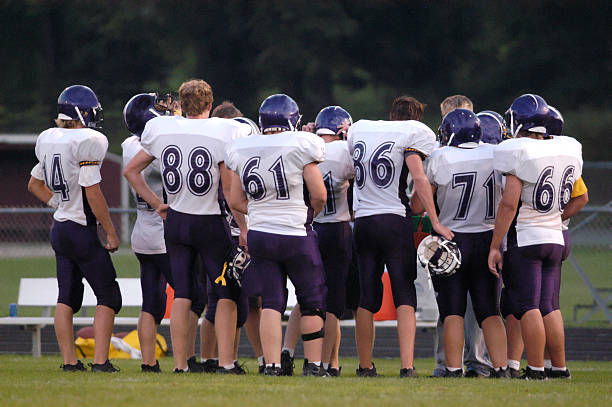
The Mshsaa football broadcast apology refers to an unprecedented live apology issued by the Missouri State High School Activities Association (MSHSAA) during the 2024 Class 6 state championship football broadcast between Nixa and De Smet. The apology was delivered at halftime after concerns arose about biased commentary from a color analyst, prompting MSHSAA to intervene and publicly address the issue during the broadcast itself. This unique moment has sparked important conversations about professionalism, fairness, and media standards within high school sports.
What Triggered the Mshsaa Football Broadcast Apology?
Background of the Championship Game Commentary
On December 6, 2024, MSHSAA streamed the Class 6 football championship, one of the most anticipated events in Missouri high school sports. The broadcast featured traditional play‑by‑play coverage alongside analysis, a common practice aimed at enhancing viewer experience.
However, during the first half of the game, viewers and social media users quickly began amplifying criticism of one of the commentators. The color analyst — whose name was later identified as Cam Thomas — was accused of offering commentary that appeared to favor one team over the other, particularly showing bias toward De Smet, a private school, while seeming dismissive toward Nixa, a public school competitor.
How MSHSAA Responded Live
By halftime, the criticism had reached a level where MSHSAA leadership felt compelled to act. Dr. Jennifer Rukstad, the Executive Director of MSHSAA, appeared live on the broadcast to acknowledge the problem and issue what has since been referred to as the Mshsaa football broadcast apology. She explained that the association takes its broadcast responsibilities seriously and offered a sincere apology to viewers, athletes, families, and schools for the comments made.
This move — apologizing in real time rather than waiting until after the event — was unusual and widely noticed. It demonstrated a willingness to confront issues transparently, even in the middle of a live event.
Why the Apology Was Significant
Live Accountability in High School Sports Media
While professional sports organizations sometimes issue public apologies after controversies, it is rare for a governing body of high school athletics to intervene live on air. The Mshsaa football broadcast apology underscored the increasing attention and scrutiny that high school sports broadcasts receive, especially as streaming platforms and social media expand their reach.
Neutrality and Sportsmanship in Broadcasting
High school athletics emphasize fairness, respect, and sportsmanship — values that extend beyond the field into how games are covered and discussed. MSHSAA’s response reflects an imperative to maintain neutrality in broadcasts so that all student‑athletes feel equally respected and represented.
When viewers expressed concern that commentary crossed the line from analytical to biased, the association took action rather than risk undermining the integrity of its championship coverage.
Community Reactions to the Mshsaa Football Broadcast Apology
Support and Positive Feedback
Many parents, coaches, and fans praised MSHSAA’s transparency. Supporters of the apology pointed out that addressing concerns immediately showed respect for both teams and their communities. Traditional support for high school activities is deeply rooted in fairness and opportunity for all participants, and many viewers felt the association upheld these values.
Criticism and Diverse Perspectives
Not all reactions were supportive. Some commentators expressed concern that broadcasters might become overly cautious, believing any passionate or subjective analysis could prompt backlash or disciplinary action. Others wondered whether the situation might have been handled privately after the event instead of on live TV.
Despite these differing opinions, the discourse highlighted how deeply invested communities are in fair and balanced coverage of school sports.
Broader Implications for High School Sports Broadcasting
The Role of Social Media and Viewer Feedback
In today’s digital age, live broadcasts are often accompanied by real‑time feedback through platforms like X (formerly Twitter), Facebook groups, and sports forums. In this case, social media reactions helped spotlight concerns early enough that MSHSAA could act during the broadcast itself.
This trend suggests that high school sports organizations will need to consider how they monitor and respond to viewer feedback, balancing the immediacy of digital commentary with thoughtful decision‑making.
Training and Standards for Commentators
One of the most discussed outcomes of the incident is the need for clearer guidelines and training for analysts and commentators in high school sports broadcasts. Neutrality, respectful language, and ethical commentary are increasingly seen as essential parts of professional conduct in all sports media — regardless of the level.
MSHSAA and other state associations may implement more rigorous onboarding and review processes for broadcast personnel to ensure future broadcasts uphold the association’s standards.
Lessons Learned From the Mshsaa Football Broadcast Apology
1. Preparedness Matters
Live broadcasts — especially championship games — require careful planning, including clear expectations for commentators. By investing in pre‑broadcast training and effective communication of standards, organizations can avoid situations that lead to public apologies.
2. Transparency Builds Trust
By addressing concerns openly and in real time, MSHSAA demonstrated a commitment to accountability. Many viewers saw this as an example of leadership that prioritizes integrity.
3. Broadcasting Is Part of the Athlete Experience
Student‑athletes, families, and local communities invest deeply in high school athletics. The way games are presented and discussed can shape perceptions far beyond the field, making broadcasting an important part of the overall experience.
Conclusion: The Lasting Impact of the Mshsaa Football Broadcast Apology
The Mshsaa football broadcast apology was more than just a moment on a livestream — it was a reflection of how high school sports, media coverage, and community expectations intersect in today’s digital era. MSHSAA’s decision to issue the apology live highlighted the importance of fairness, respect, and professional conduct in athletic broadcasts.
While some critics questioned the necessity of a live interruption, the broader consensus is that accountability and transparency should remain priorities for organizations that represent thousands of student‑athletes and their supporters.
This incident has already influenced how broadcast partners and associations approach commentary standards, training, and audience engagement. As high school sports continue to grow in visibility, the lessons from this event will likely shape future policies and practices for years to come.
FAQs About the Mshsaa Football Broadcast Apology
Q1: What exactly happened in the Mshsaa football broadcast apology incident?
A1: During the 2024 Class 6 state championship football game between Nixa and De Smet, MSHSAA removed a broadcast analyst at halftime and issued an on‑air apology after viewers raised concerns about biased commentary.
Q2: Why did MSHSAA issue an apology during the broadcast?
A2: The association responded in real time because social media and viewer feedback suggested the commentary lacked neutrality, which is critical for fair representation of both teams.
Q3: Who delivered the apology on behalf of MSHSAA?
A3: MSHSAA’s Executive Director, Dr. Jennifer Rukstad, appeared on the broadcast to address the audience and offer the apology.
Q4: Has MSHSAA made changes to broadcast standards since the incident?
A4: While specific new policies haven’t all been formalized publicly, the incident prompted discussions about more thorough training and clearer standards for commentators.
Q5: What can other high school athletic associations learn from this event?
A5: Associations can see the value in establishing and enforcing clear broadcasting guidelines, preparing commentators appropriately, and engaging with community feedback constructively.
