

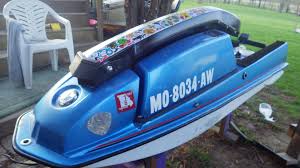
The 1988 Kawasaki JS550 is a legend in the stand-up jet ski world, but its performance is only as good as its fuel delivery. Many riders today choose to upgrade their vintage hulls with a more modern carburetor, making Mikuni Super BN38 tuning on a 1988 JS550 one of the most discussed topics in the garage. Unlike the restrictive stock carburetors of the 80s, the Super BN38 offers a level of precision and “snap” that can make an old ski feel brand new. However, achieving that perfect engine scream requires more than just bolting the part on; it requires a methodical approach to synchronization and fuel flow.
Why Focus on Mikuni Super BN38 Tuning on a 1988 JS550?
The JS550 engine is a high-revving, two-stroke machine that demands a specific air-fuel ratio to stay cool and powerful. The reason is so effective is that this specific carburetor features a larger venturi and a more sophisticated internal fuel pump than the original equipment. This allows the engine to breathe better at high RPMs while maintaining a steady idle—provided you have the right internal components installed.
Establishing the Baseline for Tuning
Before you can master Mikuni Super BN38 tuning on a 1988 JS550, you must ensure your baseline settings are in the ballpark. Tuning a carburetor on an engine with bad seals or old gas is an exercise in frustration. Start by ensuring your fuel is fresh and your spark plugs are the correct NGK BR8ES or B8ES.
The Pilot Jet and Low-Speed Response
The soul of a stand-up jet ski is its bottom-end punch. When performing Mikuni Super BN38 tuning on a 1988 JS550, your first concern is the pilot jet (low-speed jet). For a 550cc engine, a #70 or #75 pilot jet is usually the sweet spot.
-
Too Lean: The engine will “bog” or hesitate when you hit the throttle.
-
Too Rich: The engine will “load up” with fuel and smoke excessively at idle.
Dialing in the Low-Speed Screw
Once the jet is installed, the low-speed screw (the one with the T-handle or cross-head) should be set roughly 1.25 turns out. While in the water, you want to adjust this screw until the ski pulls cleanly from a standstill without any hesitation.
Managing Pop-Off Pressure for the JS550
One of the most technical aspects of Mikuni Super BN38 tuning on a 1988 JS550 is the pop-off pressure. This is the mechanical pressure required to push the needle off its seat. If the pop-off is too high, the ski will feel “starved” in the mid-range. If it’s too low, the carb will “dribble” fuel, making the ski impossible to restart when warm.
For the JS550, aim for a pop-off pressure between 18 and 22 PSI. This is achieved by swapping the internal spring (often a gold or silver spring) and choosing the correct needle and seat size (typically a 1.5 or 2.0).
The High-Speed Circuit: Protecting Your Engine
The most dangerous part of Mikuni Super BN38 tuning on a 1988 JS550 is the high-speed adjustment. Running too lean at full throttle will melt a piston in seconds.
-
Main Jet Selection: Start with a #140 or #145 main jet.
-
The High-Speed Screw: Start at 1 turn out.
-
Testing: Perform a wide-open throttle run and quickly shut off the engine. Check the spark plugs. They should be a healthy tan color. If they are white, you are dangerously lean and need to open the high-speed screw or increase the jet size.
Environmental Variables in Tuning
It is important to remember that Mikuni Super BN38 tuning on a 1988 JS550 isn’t a one-time event. Changes in altitude, humidity, and even the temperature of the water can affect how your carb performs.
-
Summer Heat: Hot air is less dense; you may need to lean the mixture.
-
Morning Sessions: Cool morning air is “heavy” with oxygen and might require a slightly richer setting to prevent a lean condition.
Conclusion
Successful Mikuni Super BN38 tuning on a 1988 JS550 is about the harmony between air, fuel, and spark. By carefully selecting your jets and taking the time to measure your pop-off pressure, you turn a vintage watercraft into a reliable performance machine. Always err on the side of “rich” (more fuel) when starting out, as it is far cheaper to clean a fouled spark plug than it is to rebuild a seized top end.
FAQs: Mikuni Super BN38 Tuning on a 1988 JS550
1. What is the most common jetting for a stock JS550 with a BN38?
While every engine varies, a #75 Pilot jet and a #140 Main jet are the most common starting points for Mikuni Super BN38 tuning on a 1988 JS550.
2. How do I know if my pop-off pressure is wrong?
If your ski runs great at full speed but dies every time you let off the gas to make a turn, your pop-off is likely too low, causing the engine to flood.
3. Do I need a special tool to adjust the screws?
Most Super BN38 carbs have “T” handles for the low and high-speed screws, allowing for easy finger-tip adjustments while you are out on the water.
4. Can I use the stock 1988 fuel pump?
No, it is better to use the fuel pump integrated into the Mikuni Super BN38. Just ensure your pulse line from the crankcase is secure and leak-free.
5. Why does my JS550 feel faster in the winter?
Cold air contains more oxygen. Unless you adjusted your Mikuni Super BN38 tuning on a 1988 JS550 for the cold, the engine is likely running slightly leaner and crisper—just be careful not to overdo it!
