

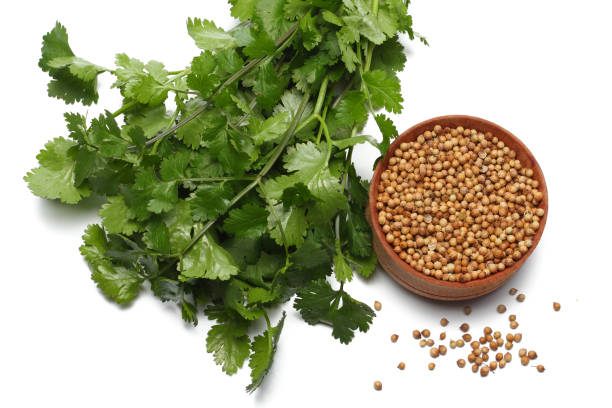
Koriandri, commonly referred to as coriander or cilantro in various parts of the world, is an herb celebrated for both its culinary and medicinal properties. With its unique aroma and flavor, Koriandri has been a staple in kitchens for centuries. Beyond its taste, it offers impressive health benefits, making it a valuable addition to any diet. This guide delves into Koriandri’s nutritional profile, health advantages, uses, and practical tips for integrating it into daily life.
Nutritional Profile of Koriandri
Koriandri is more than just a garnish; it is packed with essential nutrients that support health in multiple ways:
-
Vitamins: Rich in Vitamin C and Vitamin K, which support immunity, blood health, and bone strength.
-
Minerals: Contains potassium, calcium, and iron, promoting muscle function and overall vitality.
-
Antioxidants: Protects the body from oxidative stress and inflammation.
-
Dietary Fiber: Enhances digestion and maintains gut health.
This combination makes not only flavorful but also a nutritional powerhouse.
Key Health Benefits of Koriandri
1. Supports Digestive Health
Koriandri has natural compounds that help stimulate digestive enzymes, easing common digestive issues such as bloating, gas, and indigestion. A warm infusion of seeds can also soothe the stomach and promote regular bowel movements.
2. Promotes Heart Health
Regular use of may help balance cholesterol levels by reducing LDL (bad cholesterol) and increasing HDL (good cholesterol). This can support cardiovascular function and reduce the risk of heart-related problems.
3. Anti-Inflammatory and Antioxidant Effects
Koriandri contains bioactive compounds that combat inflammation and oxidative stress. These properties can benefit those suffering from arthritis, chronic inflammation, or other inflammatory conditions.
4. Blood Sugar Management
Emerging studies indicate that can help regulate blood sugar levels by improving insulin activity. This makes it a natural ally for individuals seeking to manage type 2 diabetes.
5. Skin and Hair Benefits
With antimicrobial and antioxidant properties, can help combat acne, soothe skin irritation, and promote healthier hair. Many traditional remedies incorporate extracts for skincare and hair care.
Culinary Uses of Koriandri
Koriandri is widely appreciated for its culinary versatility:
Fresh Leaves
Known as cilantro, the fresh leaves add a bright, citrusy flavor to salads, soups, curries, and salsas. They are best added at the end of cooking to preserve their aroma.
Dried Seeds
Coriander seeds are earthy and nutty in flavor. They are commonly roasted, ground, and added to spice blends, soups, or baked goods. Roasting enhances their aroma and depth of flavor.
Teas and Infusions
Koriandri seeds can be brewed into a calming tea that aids digestion, detoxification, and relaxation.
Pickles and Sauces
In many cultures, is a key ingredient in chutneys, pickles, and sauces, adding a distinct flavor along with nutritional benefits.
How to Incorporate Koriandri Into Your Diet
Adding Koriandri to daily meals is simple:
-
Chop fresh leaves to garnish salads, soups, or sandwiches.
-
Add ground seeds to curries, stews, or marinades.
-
Brew a cup of Koriandri tea in the morning for digestive support.
-
Mix Koriandri with yogurt for a flavorful dip.
-
Use roasted seeds in baking for a unique nutty flavor.
Precautions and Considerations
While Koriandri is generally safe, consider the following:
-
Allergies: Some individuals may have mild allergic reactions. Test with small quantities first.
-
Pregnancy: Consult a healthcare professional before consuming large amounts during pregnancy.
-
Medication Interactions: Those on blood-thinning medication should monitor Koriandri intake due to its Vitamin K content.
Innovative Uses of Koriandri in Modern Cuisine
Chefs and home cooks are finding new ways to use Koriandri:
-
Smoothies: Blending fresh leaves into green smoothies adds flavor and nutrients.
-
Fusion Dishes: Koriandri can be incorporated into pasta, risotto, or grain bowls for a global twist.
-
Herbal Extracts: Used in tinctures or oils for health and skincare applications.
-
Flavoring Oils and Dressings: Infusing oils with Koriandri seeds creates aromatic dressings for salads and roasted vegetables.
Conclusion
Koriandri is much more than a common herb—it is a versatile, nutrient-rich plant with a wide array of health and culinary benefits. From improving digestion and supporting heart health to enhancing skin, hair, and overall wellness, Koriandri proves to be an essential addition to any diet. By exploring its diverse uses, from fresh leaves to seeds, teas, and modern culinary applications, you can fully harness the power of this remarkable herb.
Incorporating Koriandri into your daily meals is simple, delicious, and highly rewarding for your health. Make it a staple in your kitchen and experience the unique flavor and wellness benefits it brings.
Frequently Asked Questions (FAQs)
1. Is Koriandri safe for children?
Yes, Koriandri is generally safe for children when used in small amounts in cooking. However, avoid concentrated extracts without consulting a pediatrician.
2. How can Koriandri improve digestion?
Koriandri stimulates digestive enzymes and reduces bloating, gas, and indigestion. Drinking Koriandri seed tea can further enhance digestive health.
3. Can Koriandri help lower cholesterol?
Yes, research indicates that Koriandri can help reduce LDL cholesterol while increasing HDL cholesterol, supporting heart health.
4. How do I store Koriandri to keep it fresh?
Store fresh leaves in the refrigerator wrapped in a damp paper towel. Seeds should be kept in a cool, dry, airtight container to retain flavor and aroma.
5. Can Koriandri be consumed daily?
Yes, consuming Koriandri daily is safe and beneficial for most people. Include it in meals, teas, or smoothies for maximum health benefits.
