

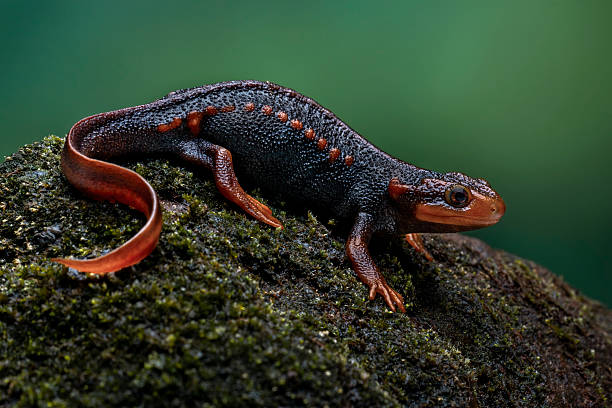
Because salamanders and lizards are commonly mistaken for one another, understanding the difference between salamander and lizard is important for anyone studying reptiles, amphibians, or just curious about nature. At first glance, these long‑bodied animals with tails look similar, but they belong to very different branches of the animal kingdom. This article breaks down the differences in a clear, engaging way so you can easily recognize and appreciate both salamanders and lizards.
What Are Salamanders and Lizards?
Before we dive into the Difference between salamander and lizard, it helps to know what each animal truly is.
What Are Salamanders?
Salamanders are amphibians — animals that spend parts of their lifecycle both in water and on land. Most salamanders have moist, smooth skin and require environments with plenty of humidity. Many live in forests, beneath rocks, or near streams and ponds.
What Are Lizards?
Lizards are reptiles and are far more adapted to life entirely on land. They have dry, scaly skin and are often more active in warm, sunny environments. Lizards appear in deserts, grasslands, forests, and even urban backyards around the world.
Understanding this basic divergence — amphibian vs. reptile — is the foundation for appreciating the many aspects of the difference between salamander and lizard.
Physical Characteristics: Seeing the Difference
One of the most noticeable ways to understand the difference between salamander and lizard is by looking closely at their bodies.
Skin Texture and Function
-
Salamanders: Soft, moist, and permeable skin that helps them absorb oxygen and moisture. This makes their skin sensitive to dehydration and environmental changes.
-
Lizards: Dry, tough, and scaly skin that prevents water loss and protects them from rough terrain and dry climates.
Why this matters: Salamanders rely on moist environments because their skin plays a role in breathing. Lizards don’t need skin respiration and can thrive in dry habitats.
Body Shape and Limbs
-
Salamanders: Typically slender with short limbs, and some species even look almost snake‑like. Their limbs are often not as muscular as those of lizards.
-
Lizards: Usually have stronger, more developed legs and often move with swift agility. Many species are excellent climbers or runners.
This contrast in body shape reflects their different lifestyles and habitats.
Tail Regeneration
Both salamanders and many lizards can regenerate lost tails, but there’s a significant difference:
-
Salamanders: Can regenerate not just tails, but also parts of limbs, spinal tissue, and even portions of essential organs in some species.
-
Lizards: Can regrow tails, but the new tail is typically not identical to the original and contains cartilage instead of vertebrae.
Where They Live: Habitat and Distribution
The difference between salamander and lizard becomes even clearer when we look at where they live and how they interact with their environment.
Salamander Habitats
Salamanders are mostly found in moist, shaded environments:
-
Forest floors under leaf litter
-
Near streams, ponds, or springs
-
Under logs and rocks
Moisture is essential for salamanders not just for comfort — it’s vital for their breathing and survival.
Lizard Habitats
Lizards, being reptiles, are more adaptable to dry conditions:
-
Deserts and semi‑deserts
-
Grasslands and woodlands
-
Warm rocky outcrops
-
Gardens and backyards
Lizards often bask in sunlight to regulate their body temperature — something salamanders rarely do due to their need for moisture.
Behavioral Differences
Learning about how these creatures behave is another window into the Difference between salamander and lizard.
Activity Patterns
-
Salamanders: Mostly nocturnal, preferring the cooler, damper conditions of night. They hide during the day to avoid drying out.
-
Lizards: Many are diurnal, meaning they are active during the day, basking in the sun and hunting insects or other prey.
Defense Mechanisms
-
Salamanders: Some species produce toxic secretions in their skin as protection. Bright coloration often indicates danger to predators.
-
Lizards: Use escape, camouflage, and tail dropping as primary defenses. Some, like the Gila monster or Mexican beaded lizard, even have venom.
Diet and Feeding Habits
A major aspect of the difference between salamander and lizard is what they eat and how they hunt.
Salamander Diet
Salamanders are generally carnivorous and eat:
-
Insects
-
Worms
-
Snails
-
Other small invertebrates
They use stealth and quick tongue strikes to catch prey.
Lizard Diet
Lizard diets are more varied:
-
Insectivores eat insects and spiders
-
Herbivores eat leaves and fruit
-
Omnivores eat both animals and plant material
-
Larger species may eat smaller reptiles or mammals
This diversity reflects the adaptability of lizards to many different environmental niches.
Lifespan and Growth
Another point of comparison within the difference between salamander and lizard is life expectancy:
-
Salamanders: Lifespans vary, but many live 10–20 years in the wild; some aquatic species live even longer in protected habitats.
-
Lizards: Lifespan depends on species. Small lizards may live 5–10 years, while larger species such as iguanas can exceed 15–20 years, especially in captivity.
Growth patterns also differ — salamanders often go through dramatic metamorphosis, while young lizards resemble smaller adults.
Reproduction and Development
Reproductive cycles highlight one of the most significant differences.
Salamander Reproduction
Many salamanders:
-
Lay eggs in water
-
Have aquatic larval stages with gills
-
Undergo metamorphosis into terrestrial adults
Some species use internal fertilization, but the aquatic stage is still central.
Lizard Reproduction
Lizards:
-
Use internal fertilization
-
Lay shelled eggs on land
-
Hatchlings are miniature versions of adults
There is no aquatic larval stage as seen in salamanders.
Table: Quick Comparison
| Feature | Salamander | Lizard |
|---|---|---|
| Biological Class | Amphibian | Reptile |
| Skin | Moist, smooth | Dry, scaly |
| Tail Regrowth | Extensive (tails & limbs in some species) | Limited (mainly tails) |
| Habitat | Moist, shady, near water | Wide range (including dry and sunny places) |
| Activity | Mostly nocturnal | Mostly diurnal (species dependent) |
| Defense | Toxic secretions, camouflage | Tail loss, speed, some venomous species |
| Reproduction | Eggs in water + metamorphosis | Land eggs, direct development |
| Diet | Small invertebrates | Insects, plants, some animals |
| Lifespan | ~10–20 years | ~5–20+ years depending on species |
Conclusion
Understanding the difference between salamander and lizard allows us to appreciate how nature evolves unique survival strategies for different environments. Salamanders are amphibians tied to moisture and life cycles involving water, while lizards are reptiles adapted to life on dry land, with scaly skin and diverse diets. Recognizing these differences enriches our knowledge of biodiversity and helps us better protect these remarkable animals in their natural homes.
FAQs (Frequently Asked Questions)
1. Are salamanders and lizards related?
No — salamanders are amphibians, while lizards are reptiles. They share some superficial similarities but belong to different evolutionary lineages.
2. Can salamanders live in dry places like lizards?
No — salamanders require moist conditions because their skin must stay damp for breathing and temperature regulation.
3. Why can lizards survive in deserts but salamanders cannot?
Lizards have dry, scaly skin that prevents water loss, allowing them to thrive in hot, dry habitats. Salamanders’ moist skin makes them vulnerable to dehydration.
4. Do all lizards have the ability to regrow their tails?
Not all lizard species can regenerate their tails, but many can. Their new tails are usually structurally different from the original.
5. How can I tell a salamander from a lizard in the wild?
Look for skin texture (moist vs. scaly), habitat (near water vs. dry land), and behavior (nocturnal vs. active during the day). These clues help distinguish salamanders from lizards.
