

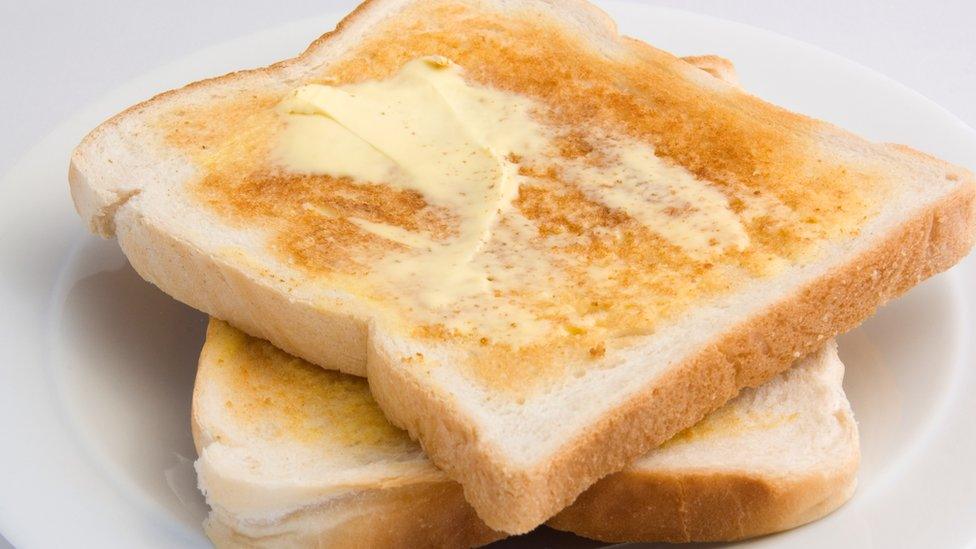
Toast is one of the simplest yet most beloved foods across the globe. Made by browning slices of bread through heat exposure, Toast transforms an ordinary staple into something crisp, aromatic, and versatile. Whether served as part of breakfast, a snack, or even a gourmet dish, has earned its place in kitchens worldwide.
The popularity of Toast lies in its adaptability. It can be sweet or savory, simple or elaborate, and enjoyed by people of all ages. From buttered slices to avocado-topped creations, continues to evolve with modern culinary trends while maintaining its timeless appeal.
The History of Toast
Ancient Origins of Toast
The concept of dates back thousands of years. Ancient civilizations, including the Egyptians, were among the first to bake bread. To preserve bread and prevent spoilage, they would expose it to heat, effectively creating early forms of .
The word itself originates from the Latin term tostum, meaning “to burn or scorch.” The Romans popularized the practice of bread, spreading it across Europe.
Toast in Medieval and Modern Times
During the Middle Ages, became common in Europe as a way to improve the taste of stale bread. It was often placed in beverages like wine or ale to enhance flavor.
In modern times, the invention of the electric in the early 20th century revolutionized how is prepared, making it a daily staple in households worldwide.
How Toast Is Made
The Basic Process of Making Toast
Making involves applying heat to bread slices until they reach a desired level of browning. This process triggers the Maillard reaction, which enhances flavor and aroma.
Methods of Preparing Toast
-
Toaster – The most common and convenient method
-
Oven – Ideal for preparing multiple slices at once
-
Stovetop pan – Offers control and added crispiness
-
Open flame – Traditional method used in some cultures
Each method produces slightly different textures and flavors, allowing for a personalized experience.
Types of Toast
White Bread Toast
This is the most common form of , made from refined white bread. It is soft on the inside and crispy on the outside.
Whole Wheat Toast
A healthier alternative, whole wheat contains more fiber and nutrients, making it a popular choice for health-conscious individuals.
French Toast
A sweet variation of , French is made by dipping bread in a mixture of eggs and milk before frying. It is often served with syrup, fruits, or powdered sugar.
Avocado Toast
One of the most popular modern variations, avocado combines mashed avocado with bread, often topped with eggs, spices, or vegetables.
Garlic Toast
Commonly served as a side dish, garlic is flavored with butter, garlic, and herbs, making it a perfect accompaniment to pasta and soups.
Nutritional Value of Toast
Basic Nutritional Components
Toast provides essential nutrients depending on the type of bread used. These include:
-
Carbohydrates for energy
-
Small amounts of protein
-
Vitamins such as B-complex
-
Minerals like iron
Health Benefits of Toast
-
Quick Energy Source: is rich in carbohydrates, making it ideal for starting the day
-
Digestibility: is easier to digest than fresh bread
-
Customizable Nutrition: Toppings can enhance nutritional value
Is Toast Healthy?
The healthiness of depends largely on the ingredients. Whole grain with healthy toppings is far more nutritious than heavily processed options with sugary spreads.
Popular Toast Toppings
Sweet Toppings for Toast
-
Butter and jam
-
Honey
-
Peanut butter
-
Chocolate spread
-
Fresh fruits
Savory Toppings for Toast
-
Eggs (scrambled, fried, or poached)
-
Cheese
-
Avocado
-
Smoked salmon
-
Vegetables
The versatility of allows endless combinations, making it suitable for every taste preference.
Toast in Different Cultures
Western Breakfast Culture
In many Western countries, is a breakfast essential, often served with eggs, bacon, or spreads.
Asian Variations
In countries like Japan and South Korea, is often thicker and topped with unique ingredients like sweet beans, condensed milk, or seafood.
European Traditions
European cuisines feature in various forms, such as bruschetta in Italy or cheese in the UK.
Modern Trends in Toast
Artisanal Toast Movement
In recent years, has become a gourmet item. Cafés now serve artisanal with high-quality bread and creative toppings.
Instagram-Worthy Toast
Social media has transformed into a visual delight, with colorful toppings and artistic presentations gaining popularity online.
Healthy Toast Trends
Health-conscious consumers are opting for:
-
Gluten-free bread
-
Multigrain options
-
Plant-based toppings
Creative Toast Recipes
Classic Butter Toast
A simple yet timeless recipe involving bread with melted butter.
Avocado Egg Toast
A nutritious option combining mashed avocado and a perfectly cooked egg.
Banana Honey Toast
A sweet and healthy choice featuring sliced bananas and a drizzle of honey.
Cheese Melt Toast
A savory favorite where cheese is melted over for a rich flavor.
Common Mistakes When Making Toast
Overtoasting
Burning the bread can ruin the flavor and reduce nutritional value.
Using Low-Quality Bread
The quality of bread greatly affects the taste of .
Skipping Toppings Balance
Too many or too few toppings can impact the overall experience.
Why Toast Remains Popular
Convenience
Toast is quick and easy to prepare, making it ideal for busy lifestyles.
Versatility
It can be customized in countless ways to suit different tastes and diets.
Affordability
is inexpensive and accessible to people around the world.
The Future of Toast
As food trends continue to evolve, is expected to remain relevant. Innovations in bread-making and creative toppings will likely keep at the forefront of global cuisine.
From traditional breakfasts to gourmet café menus, continues to adapt while retaining its core simplicity.
Conclusion
Toast is more than just a simple food—it is a global staple with a rich history and endless possibilities. From its ancient origins to its modern-day variations, has evolved into a versatile and beloved dish enjoyed by millions.
Its ability to adapt to different cultures, dietary needs, and culinary trends ensures that will remain a key part of our diets for years to come. Whether you prefer it plain, sweet, or savory, offers something for everyone.
FAQs About Toast
1. What is Toast made of?
Toast is made by heating slices of bread until they become brown and crispy. The type of bread can vary, including white, whole wheat, or multigrain.
2. Is healthier than regular bread?
can be easier to digest than regular bread, but its health benefits depend on the type of bread and toppings used.
3. Can Toast help with digestion?
Yes, is often recommended for mild digestive issues because it is lighter and easier to process.
4. What are the best toppings for Toast?
The best toppings depend on personal preference, but popular options include butter, avocado, eggs, jam, and cheese.
5. How can I make perfect Toast?
Use good-quality bread, control the heat level, and avoid overtoasting. Adding balanced toppings enhances both flavor and nutrition.
