

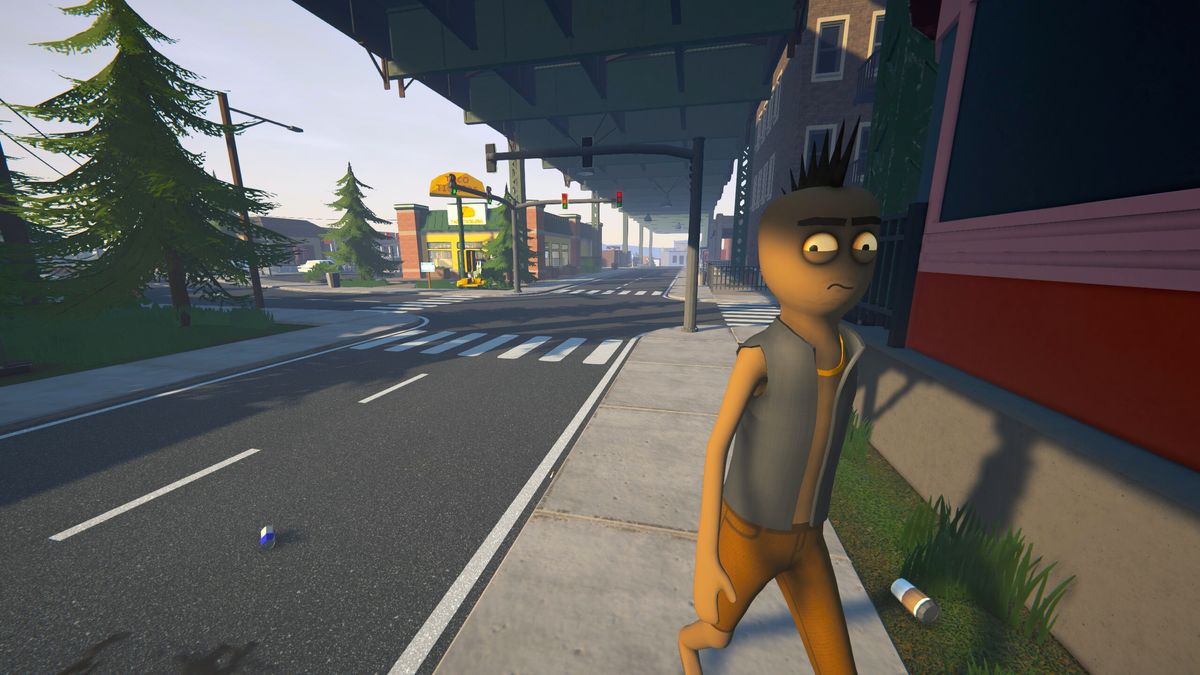
For gamers seeking to conquer every challenge in Curd Lane 1, having a structured plan is essential. This game blends clever puzzle-solving, exploration, and strategic action. Whether you’re just starting or aiming to collect every hidden item, this Curd Lane 1 walkthrough will guide you through each level. With detailed instructions, strategies, and tips, you’ll be able to navigate obstacles, uncover secrets, and fully enjoy the game.
Overview of Curd Lane 1
Before diving into the walkthrough, it’s important to understand what makes Curd Lane 1 unique:
-
Challenging Puzzles: Each lane requires careful thinking and problem-solving.
-
Hidden Collectibles: Scattered throughout the game, these items unlock bonuses.
-
Interactive Environment: Players can manipulate objects to progress or discover secrets.
-
Adaptive Challenges: Obstacles can change depending on player actions, requiring flexibility.
Understanding these features is key to progressing efficiently and avoiding frustration.
Step-by-Step Curd Lane 1 Walkthrough
Level 1: Entrance Lane
-
Objective: Reach the end safely while collecting all initial rewards.
-
Tips:
-
Move cautiously and check every corner for clues or items.
-
Some objects hide keys or triggers for doors; don’t ignore them.
-
Avoid rushing as traps often activate with fast movement.
-
Level 2: Puzzle Alley
-
Objective: Solve a sequence-based puzzle to unlock the next gate.
-
Tips:
-
Observe symbols and environmental cues—they often hint at the solution.
-
Plan moves in advance; random interactions may trigger traps.
-
Level 3: Collector’s Path
-
Objective: Gather rare collectibles while avoiding enemy patrols.
-
Tips:
-
Study enemy movement patterns before moving.
-
Use objects in the environment to block enemies or create safe routes.
-
Level 4: Hidden Corridor
-
Objective: Find the secret passage leading to bonus rewards.
-
Tips:
-
Look for slightly unusual textures or out-of-place objects.
-
Interacting with these items often reveals hidden doors or ladders.
-
Level 5: Final Lane
-
Objective: Complete the last section and overcome the final obstacle or boss.
-
Tips:
-
Combine everything you’ve learned: timing, observation, and environment interaction.
-
Study attack patterns of any bosses or traps before acting.
-
Patience is critical; rushing usually results in lost collectibles.
-
Strategies to Excel in Curd Lane 1
-
Thorough Exploration: Many items and secrets are hidden off the main path.
-
Observe Closely: Environmental cues often reveal hidden triggers.
-
Manage Resources: Some items are limited, so use them wisely.
-
Practice Patience: Many puzzles rely on timing and precise movements.
-
Document Clues: Take notes of codes or sequences for easier progression.
Common Challenges and Solutions
-
Locked Doors: Usually require hidden keys or solving a puzzle in the surrounding area.
-
Enemy Encounters: Study their movement; stealth and timing often work best.
-
Complex Puzzles: Break them into smaller steps and solve sequentially.
-
Timed Sections: Practice to master the correct timing.
-
Hidden Collectibles: Look for irregular textures, sounds, or interactive objects for clues.
Conclusion
Mastering Curd Lane 1 requires observation, strategy, and patience. This walkthrough provides a comprehensive guide to navigating each level, solving puzzles efficiently, and discovering hidden rewards. Following this guide ensures a complete and enjoyable gaming experience, turning challenges into opportunities for achievement. With careful planning and execution, you can fully explore the game and enjoy every secret it holds.
FAQs
1. How long does it take to complete Curd Lane 1?
Completion depends on skill level, but most players finish within 5–8 hours, including collectibles.
2. Are there secret collectibles in every level?
Yes, each level contains hidden items that unlock achievements and bonuses.
3. Can I replay levels to find missed items?
Absolutely. Replaying levels is highly recommended for full completion.
4. How do I find secret passages?
Look for unusual textures, patterns, or interactive objects; they often reveal hidden routes.
5. What’s the best approach for difficult puzzles?
Break puzzles into smaller parts, observe environmental cues, and avoid rushing. Timing and patience are key.
