

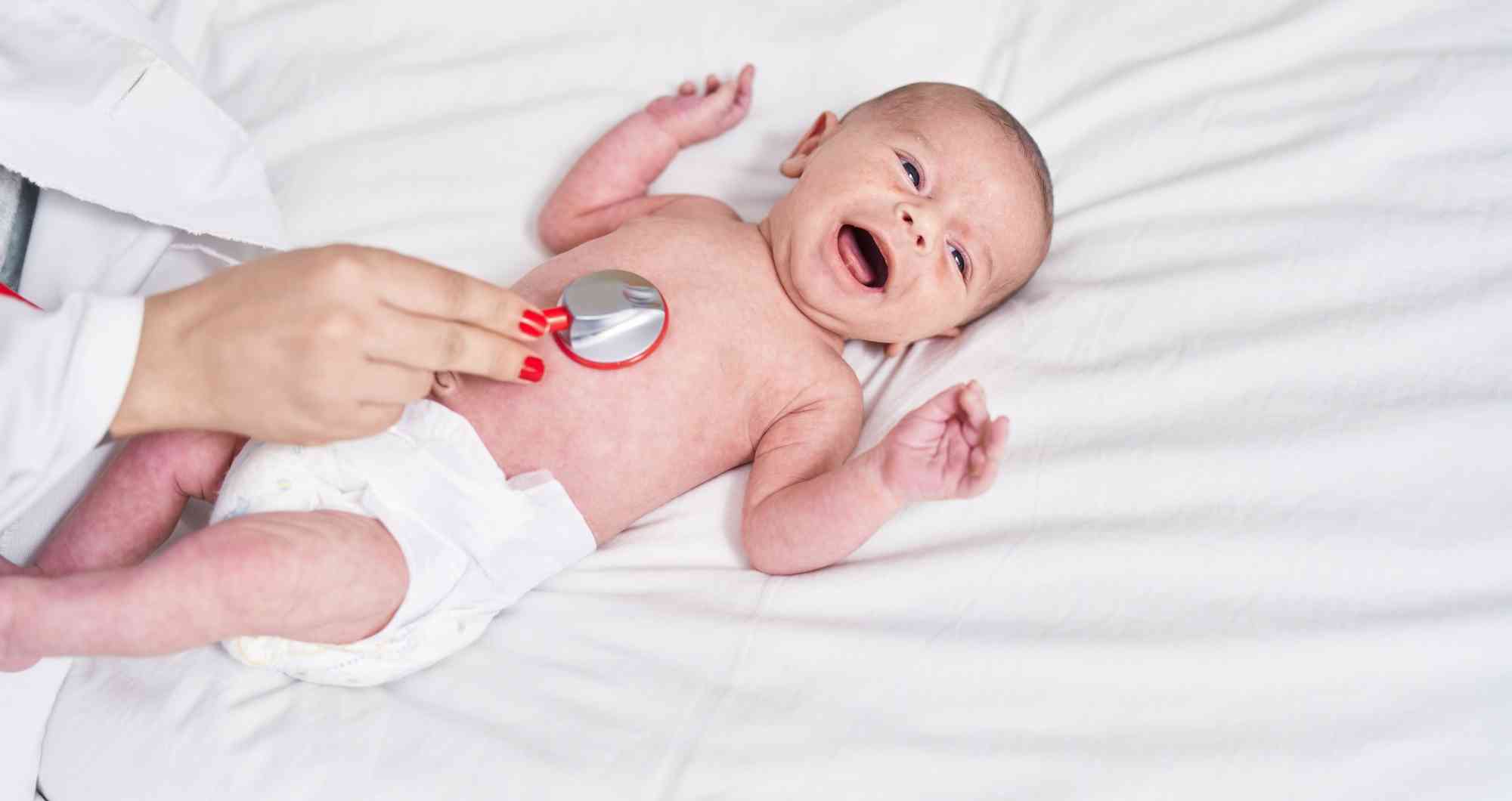
Gastroshiza is a rare congenital defect of the abdominal wall in newborns where the intestines (and occasionally other organs) protrude through an opening beside the belly button, without being covered by a protective membrane. This condition requires immediate medical attention and usually urgent surgical intervention after birth. While it remains relatively uncommon, understanding Gastroshiza — its causes, symptoms, diagnosis, and treatment — is essential for expectant parents, caregivers, and healthcare professionals.
Understanding the Basics of Gastroshiza
Definition of Gastroshiza
Gastroshiza is a birth defect of the anterior abdominal wall, meaning there is a gap in the muscular wall of the abdomen. Through this gap—most often located to the right of the umbilicus (navel)—looped intestines and occasionally other internal organs protrude outside the fetal body. Unlike similar conditions such as omphalocele, in Gastroshiza there is no protective membrane covering these organs, leaving them directly exposed.
This exposure makes the condition a medical emergency at birth. Because exposed tissues lack protection and are sensitive to trauma, infection, and dehydration, immediate care is critical.
How Common Is Gastroshiza?
Gastroshiza occurs in an estimated 1 in 5,000 to 1 in 10,000 live births, although rates vary by country and maternal demographics. Historically, advances in prenatal screening and neonatal intensive care have dramatically improved survival, with many infants now surviving long term with appropriate care.
Causes and Risk Factors of Gastroshiza
What Causes Gastroshiza?
The precise cause of Gastroshiza remains unknown. Researchers believe it involves a developmental defect during early pregnancy — possibly related to the inadequate formation or weakening of the abdominal wall during fetal growth.
Key factors that have been identified or proposed include:
-
Young maternal age: Mothers under 20 years old appear to have a higher likelihood of having babies with Gastroshiza
-
Environmental exposures: Limited evidence links certain exposures during pregnancy (e.g., smoking, alcohol) with increased risk, though research is ongoing.
-
Genetic and developmental influences: While there is no single known gene for Gastroshiza, genetic and embryologic missteps likely play a role in the abdominal wall defect.
It’s important to note that the presence of these risk factors does not guarantee that a baby will have Gastroshiza — it only increases the likelihood slightly.
Recognizing the Symptoms of Gastroshiza
Gastroshiza is usually detected either during prenatal ultrasounds or immediately at birth. The hallmark sign is visible protrusion of the intestines outside the abdominal cavity.
Common clinical features include:
-
Visible bowel loops protruding through the abdominal wall defect at birth
-
No covering membrane (intestines are directly exposed to the environment)
-
Location of defect usually to the right side of the umbilicus
Because the condition affects the abdominal cavity, other symptoms and signs may include difficulties with feeding, breathing issues due to abdominal pressure, and sensitivity of exposed organs.
Prenatal Diagnosis of Gastroshiza
Many cases of Gastroshiza are detected during routine prenatal care. Ultrasound imaging — especially with advanced 3D technology — can identify this defect as early as the second trimester by showing bowel loops outside the fetus’s abdomen. Elevated maternal serum alpha‑fetoprotein levels may also suggest a risk, prompting further evaluation.
An early diagnosis enables better planning for delivery at a hospital equipped with neonatal intensive care and pediatric surgical teams.
How Is Gastroshiza Different From Omphalocele?
Although both conditions involve abdominal wall defects, there are key differences:
| Feature | Gastroshiza | Omphalocele |
|---|---|---|
| Organ coverage | No membrane; organs are exposed | Organs are covered by a protective membrane |
| Location | Typically right of the umbilicus | At the umbilicus |
| Risk of infection | Higher | Lower due to membrane protection |
This distinction affects how the condition is managed and the immediate risks after birth.
Treatment Options for Gastroshiza
Neonatal Surgical Intervention
Once the baby is born, urgent surgical care is needed. The primary goals are:
-
Protect exposed organs
-
Return the intestines and other organs to the abdominal cavity
-
Close the defect in the abdominal wall
Surgery may be performed in one or multiple stages depending on the size of the defect and the condition of the infant.
Supportive Care After Surgery
After surgical repair, newborns may require:
-
Intravenous nutrition
-
Antibiotics to prevent infection
-
Respiratory support if needed
-
Care in a neonatal intensive care unit (NICU)
Proper postoperative care significantly improves outcomes.
Prognosis and Long‑Term Outlook
With modern neonatal care and surgical techniques, survival rates for babies with Gastroshiza have greatly improved — many infants survive and go on to lead healthy lives. However, long‑term outcomes depend on:
-
Presence of associated anomalies
-
Severity of abdominal wall defect
-
Complications such as intestinal dysfunction
Some children may require additional procedures or prolonged nutritional support early in life.
Preventive Measures and Parental Support
Because the exact cause of Gastroshiza is unknown, true prevention isn’t currently possible. However, early and regular prenatal care — including routine ultrasounds and maternal health optimization — can help with early detection and planning for the safest possible delivery.
Support groups and specialist organizations provide emotional and practical resources for parents navigating a diagnosis of Gastroshiza.
Conclusion
Gastroshiza is a rare but treatable congenital condition characterized by an abdominal wall defect that exposes internal organs. Early detection through prenatal imaging allows healthcare teams to prepare for immediate surgical intervention at birth. With advancements in neonatal surgical procedures and supportive care, many infants diagnosed with Gastroshiza can survive and thrive.
Parents, clinicians, and caregivers should work closely to ensure timely treatment and long‑term follow‑up, while ongoing research continues to improve our understanding of this complex condition.
Frequently Asked Questions (FAQs) About Gastroshiza
1. What exactly is Gastroshiza?
Gastroshiza is a congenital defect where the intestines protrude outside the abdominal wall through a gap beside the navel, without a protective covering.
2. How is Gastroshiza diagnosed before birth?
Prenatal ultrasounds — particularly advanced 3D scans — can detect the defect by showing exposed organs outside the fetus’s abdomen. Elevated maternal alpha‑fetoprotein may also signal the need for further evaluation.
3. Can Gastroshiza be treated successfully?
Yes. Immediate surgical intervention after birth helps reposition the organs and close the abdominal wall defect, improving survival and quality of life in many cases.
4. Is Gastroshiza inherited?
No specific genetic cause has been identified, and most cases appear to occur sporadically. A combination of developmental and environmental factors may contribute
5. What should parents do if Gastroshiza is diagnosed?
Parents should seek care from a hospital with a NICU and pediatric surgical team, attend all prenatal appointments, and consider joining support networks for families affected by this condition.
