

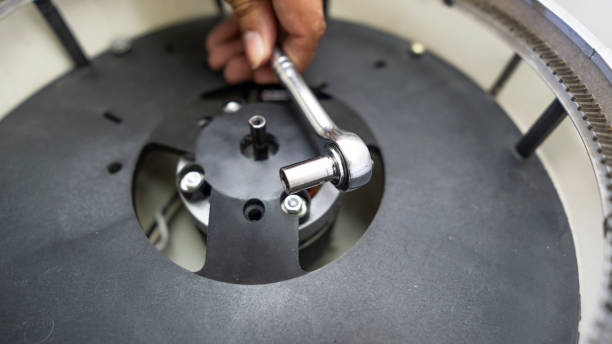
Hex spool spacers are a critical upgrade for automotive enthusiasts seeking improved traction and drivetrain efficiency. Installing a hex spool spacer properly ensures a solid connection between axle shafts, resulting in better power delivery and reduced wheel slip. This article provides complete hex spool spacer installation instructions, designed for both beginners and experienced mechanics.
What Is a Hex Spool Spacer?
A hex spool spacer is a small yet crucial component installed inside a vehicle’s differential. It effectively locks the axle shafts together, forcing both wheels to rotate at the same speed. Unlike open differentials, which allow one wheel to spin faster than the other, hex spools provide consistent torque to both wheels.
Key Benefits of Hex Spool Spacers:
-
Increased traction for off-road or performance vehicles.
-
Even power distribution across both wheels.
-
Improved acceleration and handling in high-torque situations.
-
Durable design with minimal maintenance.
Tools and Materials Required
Before starting the installation, gather the necessary tools to avoid delays:
-
Vehicle jack and jack stands
-
Socket set and ratchet
-
Torque wrench
-
Hex spool spacer (compatible with your vehicle)
-
Lubricant or high-quality axle grease
-
Differential fluid
-
Clean rags and gloves
Having all tools ready ensures a smooth installation process.
Step-by-Step Hex Spool Spacer Installation Instructions
1. Prepare Your Vehicle
-
Park on a flat surface and engage the parking brake.
-
Place wheel chocks to prevent movement.
-
Lift the vehicle with a jack and secure it with jack stands for safety.
2. Remove the Differential Cover
-
Locate the rear differential and remove the cover bolts using a ratchet.
-
Carefully take off the cover and drain the old differential fluid into a pan.
-
Clean the inside of the differential housing with a rag.
3. Extract the Axle Shafts
-
Remove the retaining clips or bolts holding the axle shafts in place.
-
Gently slide the axle shafts out of the differential housing.
-
Inspect shafts and bearings for wear or damage. Replace if necessary.
4. Install the Hex Spool Spacer
-
Clean the hex spool spacer and apply a thin layer of axle grease.
-
Place the spacer correctly inside the differential, ensuring alignment with the axle shafts.
-
Slide the axle shafts back into position, securing them with C-clips or bolts.
Pro Tip: Ensure the spacer sits flush against the axle shafts to prevent vibrations.
5. Reassemble the Differential
-
Clean the differential cover and apply gasket or RTV sealant.
-
Bolt the cover back in place using a crisscross pattern to distribute pressure evenly.
-
Refill the differential with the recommended type and amount of gear oil.
6. Test and Verify
-
Manually rotate the wheels to ensure smooth operation.
-
Lower the vehicle from the jack stands.
-
Conduct a low-speed test drive to check for proper functionality.
Safety Tips During Installation
-
Always wear gloves and eye protection.
-
Never work under a vehicle supported only by a jack.
-
Avoid overtightening bolts to prevent damage.
-
Keep small parts organized to avoid losing critical components.
Common Installation Pitfalls
-
Installing the spacer without proper lubrication, which causes wear.
-
Misaligning the hex spool, leading to vibrations or drivetrain issues.
-
Using the wrong torque specifications for differential bolts.
-
Ignoring worn axle shafts or bearings, which can compromise performance.
Maintenance Recommendations
-
Check differential fluid levels regularly.
-
Inspect the hex spool and axle shafts for unusual noise or wear.
-
Replace fluid according to manufacturer’s recommendations.
-
Avoid aggressive driving immediately after installation to allow parts to settle.
Conclusion
Installing a hex spool spacer is a relatively straightforward process that can significantly improve your vehicle’s traction and overall performance. By following these hex spool spacer installation instructions, you ensure a safe, efficient, and durable upgrade to your drivetrain. Whether for off-road adventures or high-performance driving, proper installation and maintenance are key to maximizing the benefits of this essential component.
FAQs About Hex Spool Spacer Installation
1. Is a hex spool spacer suitable for daily driving?
Yes, it can be used for daily driving, but it is best suited for performance or off-road vehicles where traction is a priority.
2. How do I know if my differential is compatible with a hex spool spacer?
Check the manufacturer’s specifications for your vehicle’s differential type and ensure the hex spool is designed for that model.
3. Can I install a hex spool spacer myself?
Yes, with basic mechanical knowledge and the right tools, installation is achievable. Follow step-by-step instructions carefully.
4. What type of lubricant should I use?
High-quality axle grease or a thin layer of gear oil on the hex spool spacer ensures smooth operation and prevents premature wear.
5. How often should I check my hex spool spacer?
Inspect it during regular differential maintenance, typically every 3,000–5,000 miles, or sooner if you notice unusual noises or vibrations.
